
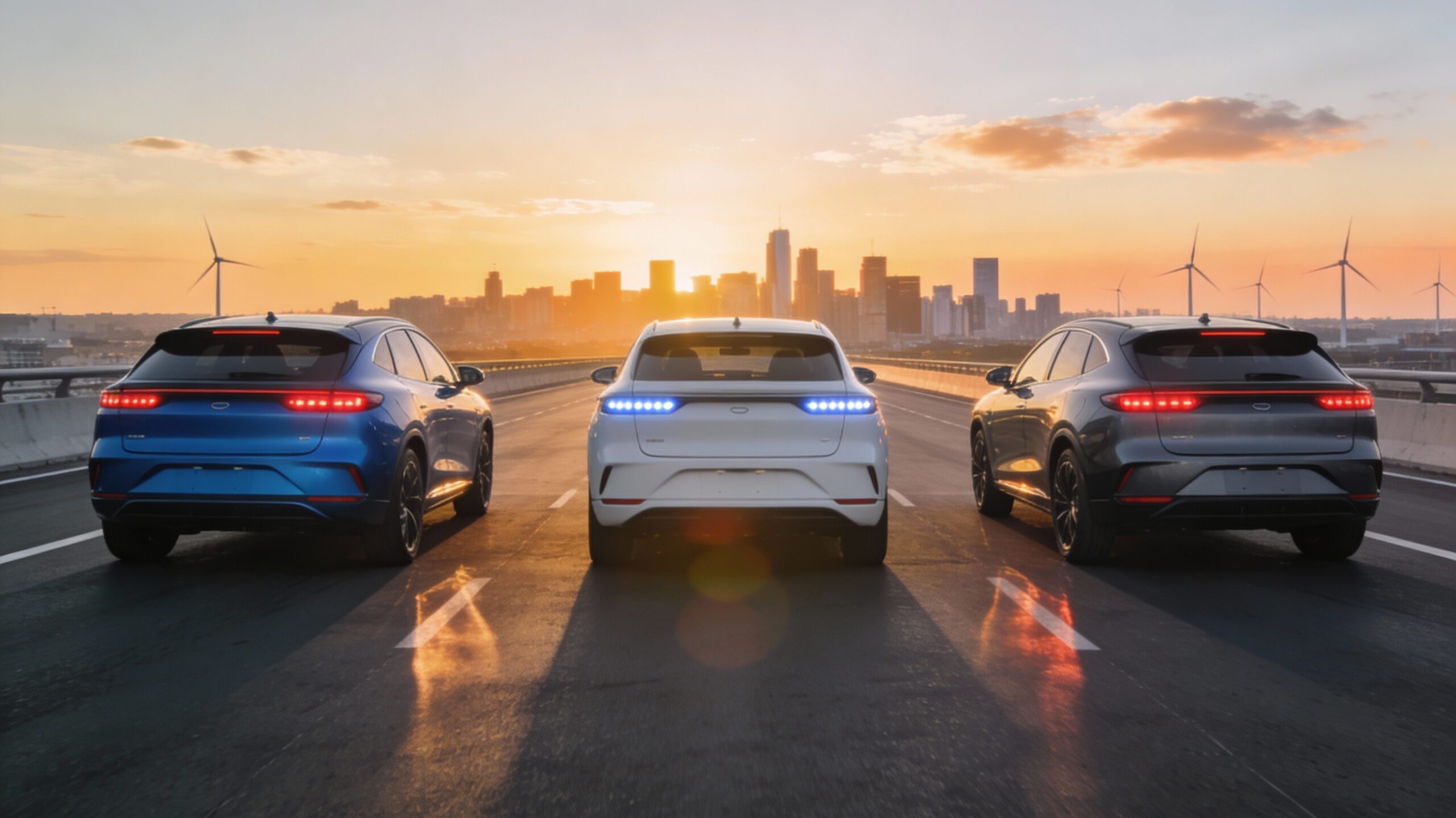
If you’ve been waiting on on purchasing an electric SUV because “the right one” hasn’t come yet, you’re not alone. A lot of purchasers are in exactly that position: petrol and diesel prices are hurting, current EVs seem a little newer, and there’s frequent gossip of “much better” versions coming shortly. 2026 is when many of those promises ultimately start turning into real automobiles you can really book.
Instead of jumping into a departing model simply because there’s a discount, it might be better to grasp what’s coming, what will actually important in everyday usage, and which future electric SUVs are worth waiting for.
Why 2026 Is a Turning Point for Electric SUVs
Car makers normally don’t give all of the details in commercials, but if you read between the lines, 2026 is a huge reset year for SUVs operating on batteries, not petrol. A couple things are occurring at the same time.
First, a number of manufacturers have moved from “converted” petrol platforms to true EV‑only designs. That means greater internal space, smoother floors, higher efficiency, and more attractive proportions. Second, battery tech is improving: you start seeing meaningful real‑world ranges instead of simply large brochure figures that collapse the moment you turn on the AC. Third, charging infrastructure is now catching up in many areas, so these vehicles are no longer simply toys for folks with three parking spaces and a private charger.
Quite simply: the electric SUVs of 2026 will seem less like experiments and more like actual, daily automobiles you can live with for the next seven to 10 years.
How to Judge a 2026 Electric SUV Before You Put Down a Token Amount
New releases usually arrive cloaked in fanfare. If you don’t want to become a marketing case study, you need a basic mental checklist before you give over any booking payment.
Here’s a practical approach to think about it:
Range you can really use: Ignore perfect‑condition lab claims. Look at what independent testing and early owners describe with mixed driving, AC on and people in the vehicle. If you make frequent highway drives, under‑400 km real‑world range will start to feel tight in a few years.
Charging reality, not theory: A vehicle advertising “ultra‑fast” charging is meaningless if your city has two suitable fast chargers, both of which are constantly busy or offline. Check which charging standards your location supports and what your normal trips look like.
Software and updates: Modern EVs are computers with wheels. A slower screen or buggy programme will bother you every single day. Look at how frequently the company distributes updates and how they’ve managed software bugs in previous models.
Cabin and practicality: Fancy light strips and massive displays are entertaining on launch day; seat comfort, back legroom, luggage capacity, and visibility decide whether you hate the vehicle three years later. Sit in it, fold the seats, and visualise your real baggage.
Total cost over five years: Don’t simply compare ex‑showroom costs. Add on‑road price, finance, power cost, home charging setup, service packs, and any tax savings. Compare this with a comparably equipped petrol or diesel SUV so you know the exact premium (or save) you’re paying for switching electric.
If an SUV looks decent even after this harsh checklist, it’s a genuine candidate.
Future Electric SUVs 2026: Stand‑Out Models to Watch
Now let’s speak about the exciting part: the real SUVs that make waiting till 2026 seem worth it. Names and final features might still alter, but these are the sorts of vehicles that should be on your radar.
1. The Big Family Electric SUV
Think about the three‑row family transporter that can finally replace a huge diesel SUV. This segment is where companies are investing considerable money. Expect:
- Proper three‑row seating where adults can survive in the third row, not simply youngsters.
- Long‑range battery packs ideal for highway tours rather than just metropolitan office trips.
- Plush cabins with exceptional sound insulation, huge panoramic roofs, and enough USB‑C connections for every screen‑addicted individual in the family.
If you often make out‑of‑city travels with a loaded vehicle, this is the sector that may convince you to throw out your old diesel in 2026.
2. The Mid‑Size Everyday EV SUV
This is the sweet spot for many buyers: not too big, not too little, useable every day, and still comfortable on the highway. Expect mid‑size future EV SUVs to offer:
- Ranges that are now “enough” for most people: one weekly charge instead of plugging in every other day.
- Better driving dynamics than tall, unstable crossovers, due to low‑mounted batteries and adjusted suspension.
- Interiors that seem comfortable to anybody moving from a popular ICE SUV, with touchscreens, tactile buttons where it matters, and excellent storage.
If you want one vehicle that does everything well enough, this is the sector you’ll probably wind up shortlisting in 2026.
3. Compact and Affordable Electric SUVs
This is when things start getting interesting for mass‑market purchasers. A flood of tiny EV SUVs is standing up for 2026 with pricing that intends to draw buyers away from small petrol automobiles and compact crossovers.
Expect:
- City‑friendly size with just enough ground clearance for roads with poor condition and speed breakers.
- Real‑world ranges designed around everyday workplace trips, school drops, and weekend shopping, not 1,000 km fantasy estimates.
- Interiors that are basic but modern: digital clusters, wireless Android Auto/Apple CarPlay, and a few intelligent features instead than countless distractions.
If you want to go electric without reaching to luxury‑brand territory, these small future SUVs are the ones to watch.
4. Lifestyle and “Cool Factor” EV SUVs
There will also be a series of EV SUVs aimed less at practicality and more at vibes. Think retro‑inspired shapes, bulky profiles, or outdoor placement.
These generally offer:
- Eye‑catching designs that stand out in a parking lot full of similar‑looking crossovers.
- Interiors feature special touches: fabric selections, lighting, and clever storage that make you feel like you’re purchasing “a statement”, not simply a mode of transport.
- Enough range and charging performance for weekend vacations and road drives with companions.
If you care a lot about how your automobile looks and feels, not simply numbers on a spec sheet, this area will be appealing.
Buy Now or Wait for the Future Electric SUVs of 2026?
This is the same internal struggle every EV‑curious customer is experiencing, so let’s break it down simply.
You’re probably more beneficial purchasing now if:
- Your existing automobile is costing you a lot in fuel and maintenance and you travel significant monthly kilometers.
- You are getting a truly great value on an exiting EV SUV, with extended warranty and reliable service support.
- You already have simple charging at home or work and you simply want to start saving on petrol instead of waiting another year or two.
You’re probably advantages of waiting till 2026 if:
- Your present automobile is fine and you’re not required to upgrade immediately.
- You want greater variety across budgets, body shapes, and brands, instead of two or three decent possibilities.
- You’d like the second or third generation of EV innovation from your preferred company instead of the first experimental trial.
There is no one proper solution. The “best” move is whatever decreases your stress: about EMIs, charging, long‑distance travels, and long‑term dependability.